

















Exploring Festive Feasts Around the World

Exploring Festive Feasts Around the World

Food delivers the essence of every celebration and is a highlight of festive travel. A Christmas Eve table in Manila or a steaming hotpot in Tokyo reveals a place as much as any landmark. Recipes become a language, carrying stories of family, migration and faith from one generation to the next.

Many travellers arrive with good intentions and still miss this layer. They end up in anonymous dining rooms where the soundtrack is international pop, and the menu could belong to any city. Noche buena food in Manila, Japanese winter food in Tokyo and other seasonal dishes stay just out of reach, glimpsed only in supermarket displays or hotel posters.

Choosing the Right Place for Festive Feasting

Where you stay can define your festive food experience. Travellers focused on culinary adventures will find that a serviced apartment, unlike a standard hotel room, offers a kitchen, dining table, and space for late-night celebrations, key differences when holiday meals are the main event rather than brief restaurant outings.

A kitchen lets you actively experience a city's food, visiting markets and bakeries, bringing home ingredients, and preparing specialities like queso de bola and jamón in Manila or simmering nabe hotpot in Tokyo. Creating these meals yourself connects you to local traditions in a way that simply eating out cannot.

By providing separate dining and living spaces, serviced apartments transform festive gatherings. Families can host intimate Noche Buena meals, invite friends for dinners, or share a hotpot comfortably at home. This setup offers a temporary local home, allowing visitors to fully live out festive rituals alongside their own family habits.

Celebrating Noche Buena in Manila

Celebrating Noche Buena in Manila

In the Philippines, Noche Buena is the focal point of Christmas Eve, an open-house midnight meal shared with relatives, neighbours and visitors after the late-night mass known as Simbang Gabi. The name comes from Spanish for “good night”, but over the centuries, it has taken on a distinctly Filipino character. Extended families return home, children stay awake long past their usual bedtime and dining tables are loaded with dishes that appear only once a year.

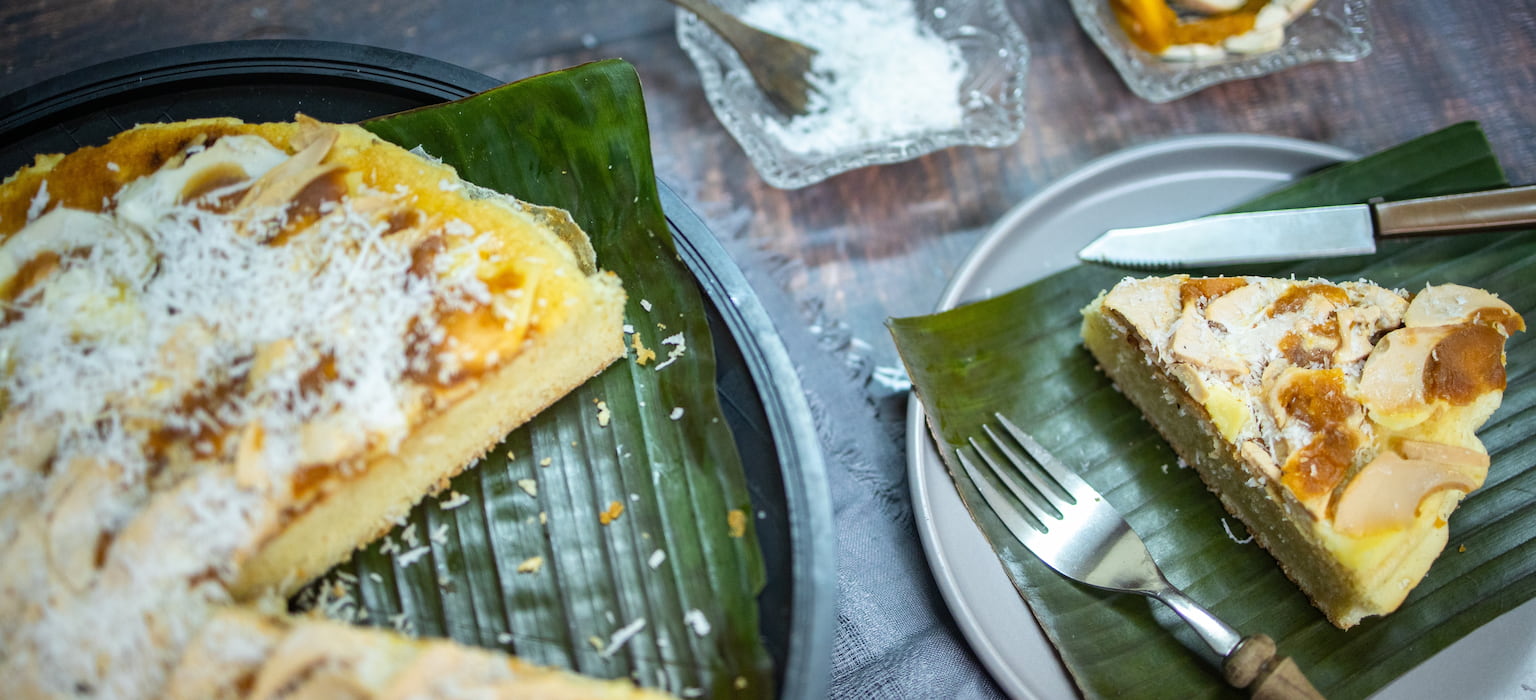
The flavours and textures of Filipino Christmas food are layered and generous. A wheel of queso de bola, a red-waxed Edam cheese, is sliced thinly for sandwiches and wine, or grated over warm bread. Christmas ham, often sweet and glazed, sits alongside lechon (roast chicken) or embutido (meatloaf). Trays of bibingka, coconut rice cakes baked in lined pans, release a gentle scent of banana leaves and butter. Nearby, puto bumbong vendors steam purple rice in bamboo tubes and serve it with grated coconut and muscovado sugar, a combination that signals the season as clearly as carols on the radio.

Joy~Nostalg Hotel and Suites Manila

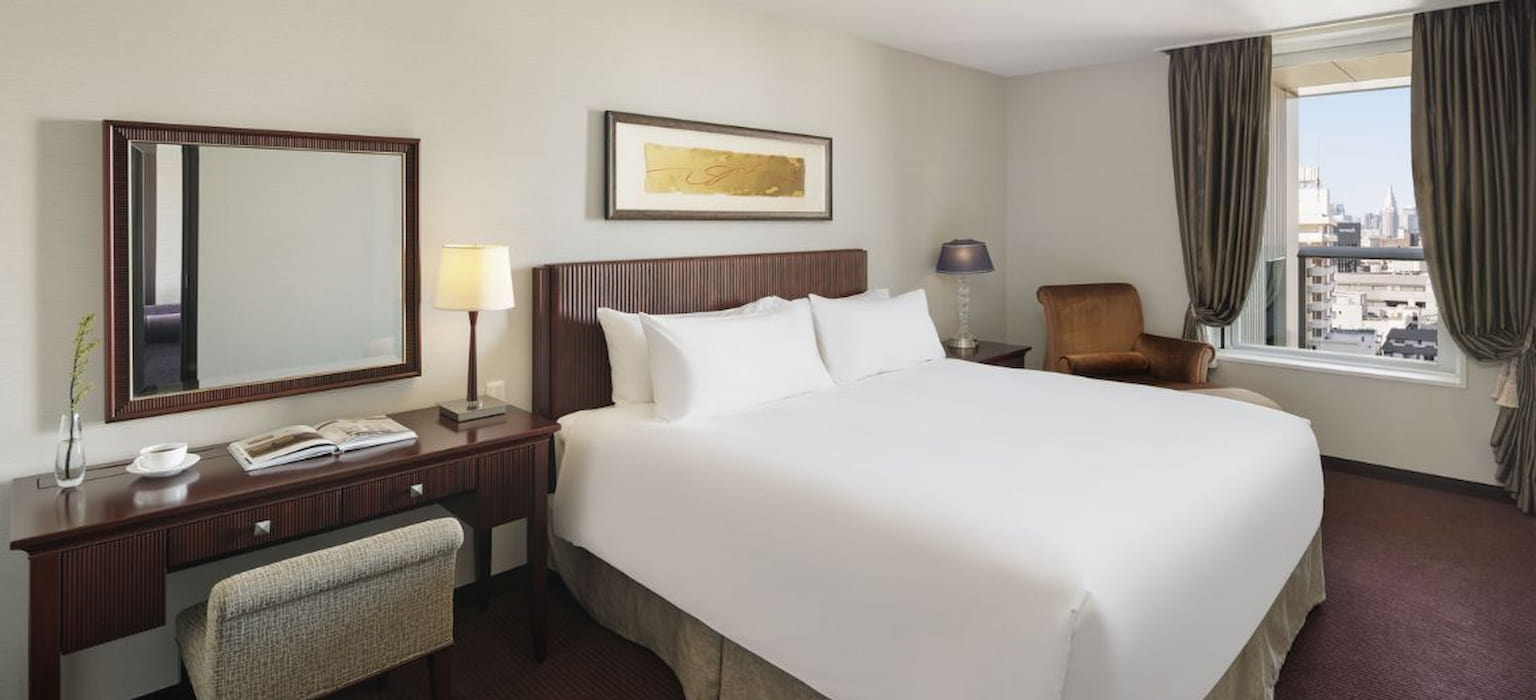
Joy~Nostalg Hotel and Suites Manila, managed by The Ascott Limited, places guests within Ortigas Centre, between large malls and office towers in Metro Manila. The property is described as a five-star serviced residence with spacious suites featuring separate living and dining areas, fully equipped kitchens, and laundry facilities. For travellers, this layout supports both nights out in the city and nights in, when the focus turns to the oven and the dining table rather than a restaurant booking.

From this base, you can attend evening Simbang Gabi at nearby churches, then walk past stalls selling bibingka and puto bumbong, or visit supermarkets and delicatessens in the surrounding malls. Back in your suite, the kitchen counters become a staging area for your own Noche Buena food selection, from queso de bola to local sweets. Children can nap in the bedroom until just before midnight. Adults can set the table quietly, turn on soft music and create a private version of an open-house feast, with all the abundance of Filipino Christmas food and none of the rush to secure a restaurant reservation.

Your Perfect Itinerary to Celebrate Noche Buena in Manila

The Noche Buena celebration is a single-day event focused intensely on Christmas Eve, blending solemn religious tradition with joyful, culinary extravagance. This itinerary is designed to capture the entire arc of this distinctive Filipino holiday, from acquiring the special festive foods to attending the late-night mass and culminating in the grand midnight feast.

Morning – Preparation and Delicacies

  • Focus on purchasing Noche Buena essentials like a wheel of queso de bola and Christmas ham.
  • Visit a local bakery or a church stall to pick up freshly made bibingka (coconut rice cake) and puto bumbong (purple rice cake), which are essential holiday treats.

Afternoon – Festive Cheer and Relaxation

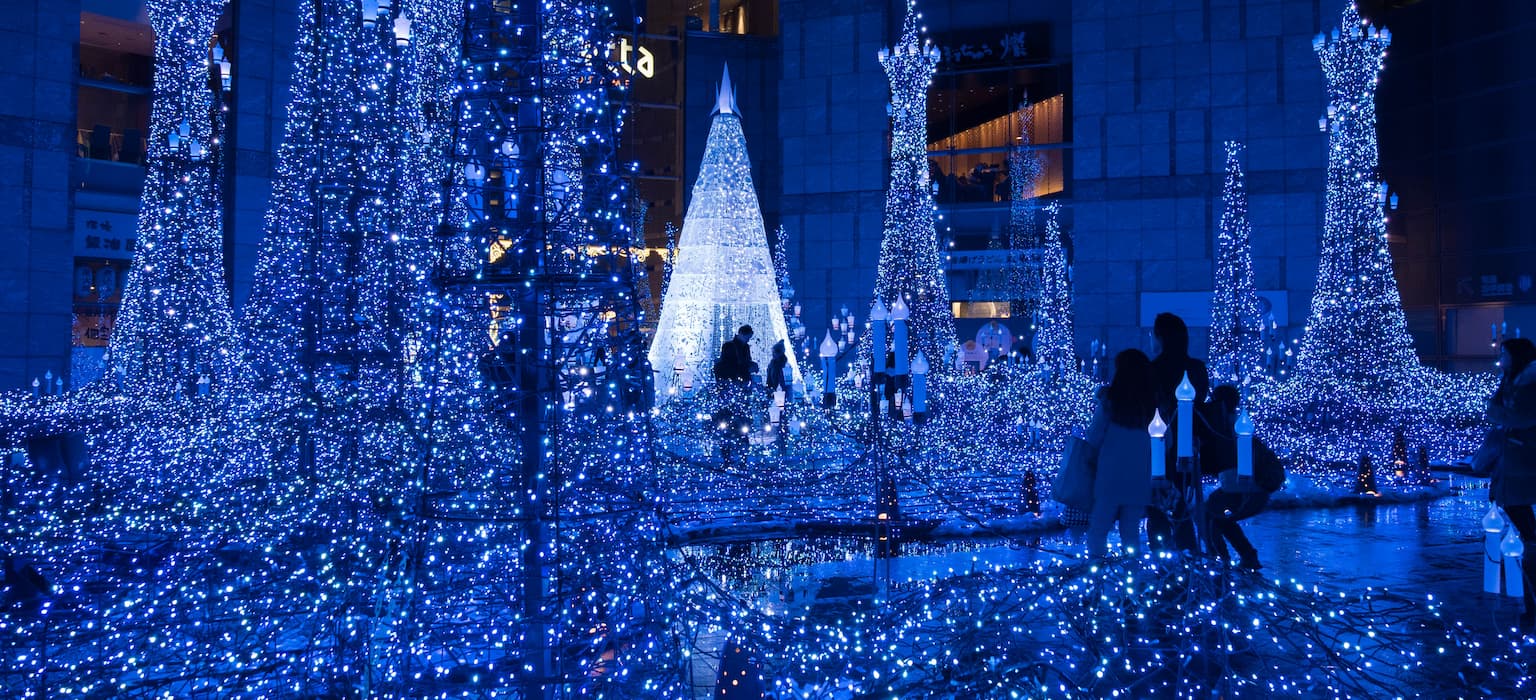
  • Attend the festive Festival of Lights at Ayala Triangle Gardens in Makati, where the show plays multiple times in the evening.
  • Return home for rest and preparation, as the main event begins late.

Night – The Grand Finale

  • Attend the special Christmas Eve Mass (or Misa de Gallo), often held around 8:00 PM at historic churches like the Manila Cathedral.
  • Return home immediately after mass (around 10:00 PM - 12:00 AM) to partake in the open-house Noche Buena midnight meal. Enjoy the traditional spread of ham, queso de bola, lechon, and desserts.

This deliberate blending of local sourcing, cultural participation, and the full utilization of your kitchen space turns your suite into the warm, unhurried heart of a traditional Filipino Christmas celebration.

Embracing the Winter Nabe Tradition in Tokyo

Embracing the Winter Nabe Tradition in Tokyo

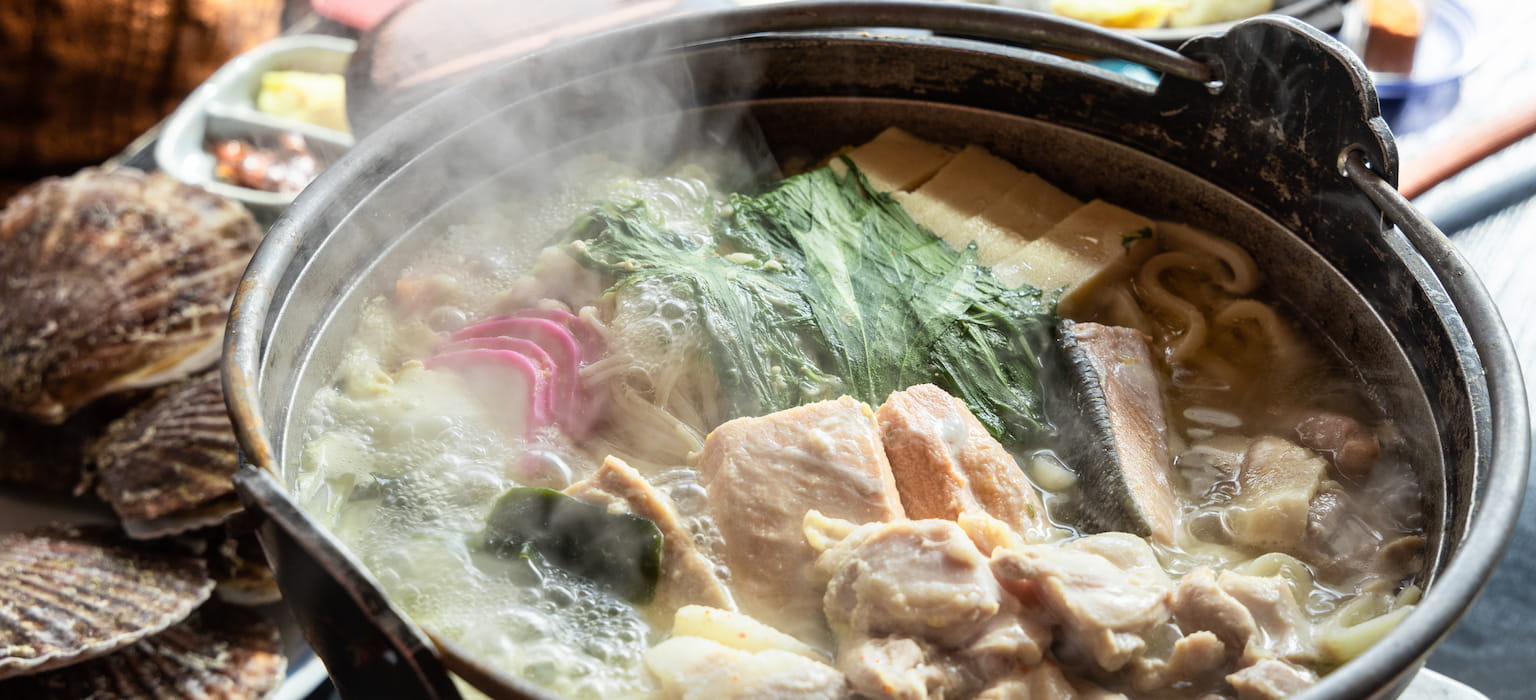
In Japan, nabe or nabemono refers to a whole category of hotpot dishes cooked and eaten at the table. A wide, heavy pot sits over a centre burner, filled with broth. Plates of vegetables, tofu, mushrooms and thinly sliced meat are arranged around it. As the broth simmers, each person adds ingredients, waits for them to cook and lifts them out, one small serving at a time. It is one of the most characteristic Japanese winter foods, associated with cold evenings and shared warmth.

Different nabe shapes shape the mood of the meal. Sukiyaki uses a sweet soy-based broth in which beef, vegetables and tofu are simmered before being dipped in beaten egg. Shabu shabu is lighter, with very thin slices of meat swished briefly through hot broth at the centre of the table, then dipped in sesame or citrus-based sauces. In both cases, the focus is as much on the rhythm of cooking together as on the taste. There is conversation between each bite, steam clouding glasses, and the steady sound of broth bubbling as everyone reaches for the pot.

Oakwood Premier Tokyo Midtown

Oakwood Premier Tokyo Midtown is located within the Tokyo Midtown complex in Akasaka, directly connected to Roppongi Station, in one of the city’s main business and leisure districts. The property features 107 serviced apartments, from studios to multi-bedroom layouts, furnished with living areas and fully equipped kitchens with modern appliances and household equipment. 

Guests can walk from their apartment to the high-end supermarket in the same complex, select marbled wagyu beef, seasonal vegetables and fresh tofu, then return to prepare a simple nabe at their own pace. As the pot simmers on the stove or an electric burner at the dining table, floor-to-ceiling windows frame the winter skyline and turn dinner into a quiet, city-facing ritual.

Immaculate Plans For Your Nabe Tradition Holiday

Embracing the Japanese nabe tradition is a perfect way to experience shared warmth and cultural rhythm during a winter stay in Tokyo. This one-day itinerary focuses entirely on utilizing the unique features of Oakwood Premier Tokyo Midtown to turn the preparation, cooking, and sharing of this quintessential hotpot into a quiet, memorable ritual.

Morning – Preparation and Culture

  • Settle in and familiarize yourself with the living areas and the fully equipped kitchen.
  • Walk directly from your apartment to the high-end supermarket located within the Tokyo Midtown complex. Select your nabe ingredients, such as marbled wagyu beef, seasonal vegetables, fresh tofu, and a quality broth base.
  • Explore the surrounding Akasaka/Roppongi area. Visit the nearby Hie Shrine for a moment of reflection before lunch.

Afternoon – Leisure and Setting the Scene

  • Spend unhurried time within the Tokyo Midtown complex. Browse the retail options or enjoy the ambiance, preparing yourself for the evening ritual.
  • Return to your apartment to wash and prepare the vegetables and meat. Arrange the plates of ingredients around the dining area for the main event.

Evening – Shared Warmth and Skyline

  • Prepare the nabe base in your kitchen. Set the pot over an electric burner at the dining table. Enjoy the shared warmth and the focus on the "rhythm of cooking together".
  • Allow the floor-to-ceiling windows to frame the winter skyline, turning dinner into a "quiet, city-facing ritual".
  • Conclude the evening with conversation and the steady sound of broth bubbling, before settling into your apartment.

By gathering ingredients, sharing the cooking rhythm, and utilizing your suite’s kitchen and dining area, you transform a simple stay into a rich, culturally immersive experience of quintessential Japanese winter food.

Starting Your Culinary Journey with Ease

Once you have chosen where you want to be on Christmas Eve or during the Tokyo winter, the next step is to secure a base that fits those plans. Ascott Star Rewards, the loyalty programme of The Ascott Limited, links properties such as Joy~Nostalg Hotel and Suites Manila and Oakwood Premier Tokyo Midtown under one system. Public information on the programme notes that members receive preferential rates when they book direct, earn points on eligible stays and can redeem those points for future reservations and other rewards.

There are also practical benefits during busy festive periods. ASR membership includes conveniences such as mobile app functions, including mobile check-in at selected properties, and access to exclusive offers tied to specific dates or campaigns. Arriving in Manila or Tokyo with check-in details already handled on your phone means you can go straight to your apartment, unpack special ingredients into the fridge and start planning where to source the rest of your festive menu.

If you can already picture your Christmas table laid with queso de bola, bibingka, and other Noche Buena favourites, choose Joy~Nostalg Hotel and Suites Manila as your base in Ortigas and design a Filipino Christmas that unfolds at your own pace. If your imagination keeps returning to a steaming pot of sukiyaki or shabu shabu shared above the lights of Roppongi, reserve your stay at Oakwood Premier Tokyo Midtown and gather the ingredients for your own Japanese winter food tradition. In both cities, booking directly through the property pages on discoverasr.mom ensures you have the apartment space, kitchen and dining area you need to make these meals more than a brief taste.

To turn these ideas into concrete plans, visit Joy~Nostalg Hotel and Suites Manila and Oakwood Premier Tokyo Midtown. Then complete your arrangements by signing up for a complimentary Ascott Star Rewards membership: Sign Up Here.

Once your account is active and your stays are booked, you are ready to arrive, check in via mobile, where available, and head straight out to the markets and food halls that will supply your festive table.

Tags: Food & DrinkTravel Tips
Help

May I assist you?

Please wait a moment. We are currently processing your request.