Tokyo stands out as a city that truly welcomes everyone. If you use a travel wheelchair, you will spot step-free entrances at bustling stations, smooth kerb cuts at crossings, tactile paving guiding your way, and lifts exactly where you need them. The city’s commitment to barrier-free living shines in thoughtful touches: wide ticket gates, attentive platform staff ready with ramps, and clear signage that takes the guesswork out of planning. Families with prams or mobility aids enjoy the same seamless experience, making it easy for grandparents, children, and carers to join in a day’s adventure.
In central Tokyo, wide and even pavements invite you to explore, while crossings often feature audible signals and gentle, level approaches. Step inside public buildings and you will discover accessible toilets, automatic doors, and lifts with buttons within easy reach. Major museums, shopping centres, and attractions share detailed accessibility notes and floor maps, so you can chart your course with confidence. Thanks to these thoughtful foundations, Tokyo promises smooth journeys whether you are dining, shopping, or sightseeing.
How Tokyo Welcomes Wheelchair Users
For years, Tokyo’s city planners have prioritized barrier-free movement. In lively districts like Shinjuku, Shibuya, Ginza, and Roppongi, you will find generous pavements, gently ramped kerbs, and smooth, flat crossings at every junction. Station concourses are easy to navigate, with recent upgrades adding more lifts and accessible toilets near the ticket gates. Parks and public squares feature firm, well-marked paths and plenty of benches, inviting you to pause and soak in the city.
Step-free entrances are clearly marked at public buildings, making arrival simple. Inside, lifts announce floors aloud and display them visually, while lever handles on doors make access effortless. Major venues share accessibility details online and at concierge desks. Friendly staff at stations and attractions are ready to guide you to the right gate or lift, and can even arrange help at your destination if you need it.
Wheelchair Accessible Transportation for Getting Around
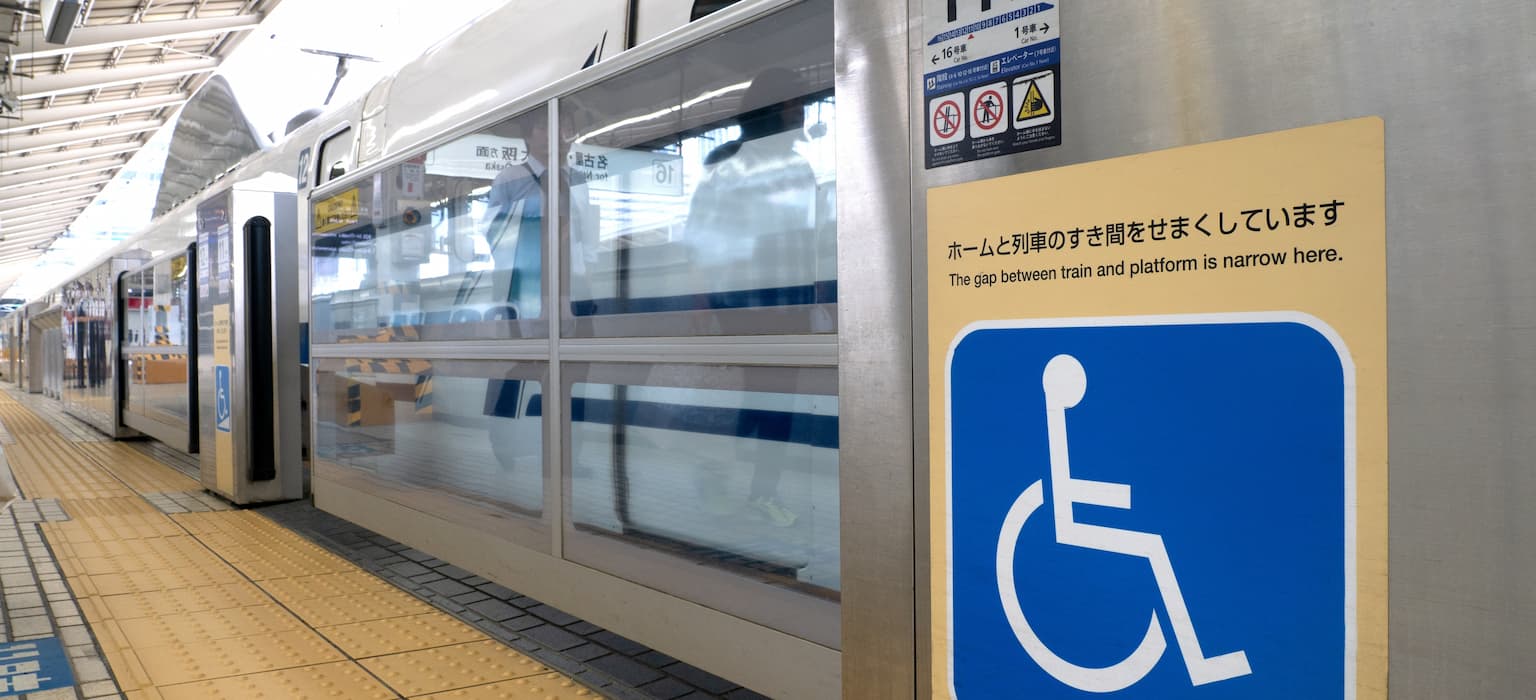
Trains and subways are the lifeblood of Tokyo’s transport. Most stations on the Metro, Toei Subway, and JR lines offer lifts from street to concourse and down to the platforms, along with wide ticket gates for wheelchairs and prams. Platform staff are quick to set up a bridging ramp to cover any gap or height difference between the train and the platform. Just ask a uniformed attendant or use the intercom at the ticket gate. Give yourself a little extra time at interchanges so staff can coordinate smooth assistance.
Most city buses feature low floors, kneeling functions, and a manual or folding ramp at the middle door. Drivers secure wheelchairs in a dedicated bay, making boarding and travel safe and simple. Buses are a great choice for short trips where trains might mean extra transfers. For a more comfortable ride, try travelling just outside peak hours when there is more space.
Taxis in Tokyo increasingly feature universal design, with higher roofs, sliding doors, and fold-out ramps or lifts. These vehicles are ideal for travellers using folding travel wheelchairs or power chairs that fit the vehicle size. Hotel concierges and major taxi ranks can arrange an accessible cab for you. For early flights or medical appointments, booking ahead helps ensure a smooth start to your day.
IC cards like Suica and PASMO make tap-in travel a breeze, and accessible ticket machines are set at a comfortable height. Station maps highlight lift locations; snap a photo on your phone to plan your exits in advance. If you are travelling with a carer, many gates allow you to enter side by side, keeping your group together and your journey seamless.
Accessible Spots for All: Shopping and Dining
Central Tokyo invites you to savour meals and explore malls without worrying about stairs. In Ginza and Roppongi, many restaurants are at street level with step-free entries or a handy portable ramp. Modern dining rooms offer wide aisles, and accessible toilets are usually on the same floor. When booking, mention your mobility needs and request a table with easy access for a relaxed dining experience.
Spacious shopping complexes near Tokyo Midtown and Roppongi Hills are thoughtfully designed with barrier-free routes, wide corridors, ample lifts, and benches for a comfortable break. Food courts provide movable chairs, making it easy to roll right up to your table. For multi-storey department stores, head to the ground-floor entrance for direct lift access and check the floor guide for accessible restroom symbols. If you use a travel wheelchair, these spaces make turning and parking effortless during your meal stops.
Accessible Attractions Across the City
Visit the Tokyo Metropolitan Government Building and Enjoy Panoramic Views
The Tokyo Metropolitan Government Building in Shinjuku treats visitors to sweeping city views from its twin observation decks. Step-free entry from the plaza and direct lifts make reaching the top easy. Spacious queue lines and attentive staff ensure wheelchair users can board lifts at their own pace. This landmark fits effortlessly into a day of sightseeing, and the surrounding plaza offers broad, smooth surfaces for easy rolling.
Explore Senso‑ji Temple, Tokyo’s Oldest Temple with Accessible Features
In Asakusa, Senso-ji Temple combines centuries-old charm with modern accessibility. The approach along Nakamise is flat and paved, though it can get crowded at peak times. Ramps and level paths guide you across the main grounds, with smooth surfaces throughout. For a bird’s-eye view without climbing stairs, visit the nearby tourist information center, where a lift takes you to an observation area overlooking the temple and market street. For a more peaceful visit, arrive early in the morning when the crowds are thin.
Meiji Shrine, peaceful and accessible pathways for all
Meiji Shrine nestles in a tranquil wooded park between Shinjuku and Shibuya. Approaches feature wide, mostly flat, hard-packed paths that welcome wheelchairs and prams, with gentle slopes and clear signs to guide you. Lifts serve the museum and modern facilities near the main precincts. The peaceful atmosphere lingers even on weekends, making it a perfect spot for travellers seeking open space and easy navigation.
Comfortable and Accessible Accommodation for Wheelchair Users
Choosing the right base keeps everyday tasks smooth. Look for wheelchair‑accessible rooms with level entries, wide doors and space to turn. A roll‑in shower with a secure seat, reachable controls, and grab bars reduces risk during bathing. Lowered switches, bedside sockets at mid‑height and a bed height suited to safe transfers cut down on physical strain. Check for step‑free routes from the street to reception and on to lifts, and confirm that nearby stations have lifts at the exits you plan to use. If you travel with children or a carer, ask the property to leave extra floor space by the bed and to position furniture for night‑time access.
Oakwood Hotel & Apartments Azabu Tokyo
Nestled in peaceful Higashi-Azabu, Oakwood Hotel & Apartments Azabu Tokyo offers a quiet retreat just moments from central attractions. Wheelchair-accessible rooms are designed for safe movement and easy routines, while step-free access from street to lift ensures smooth arrivals. Family-friendly amenities like laundry facilities and kitchenettes in select units make longer stays comfortable for all ages. With Roppongi and Azabu-juban nearby for barrier-free dining and shopping, and convenient train links to the rest of Tokyo, your adventures start right at your doorstep.
Oakwood Premier Tokyo Midtown places you in the Roppongi district, where pavements are broad and buildings are set up with lifts and clear internal routes. Wheelchair‑accessible rooms are designed for comfort and privacy, and concierge services can help secure accessible taxis or confirm station lift locations before you set out. The property connects easily to public transport and to large malls with barrier‑free dining options, which keeps plans flexible on rainy days or during peak heat. Details and reservations: Oakwood Hotel & Apartments Azabu Tokyo.
Oakwood Residence Shinagawa Tokyo
For longer stays, Oakwood Residence Shinagawa Tokyo provides apartment-style living with thoughtful wheelchair-accessible features. Its location near Shinagawa Station means fast connections to mainline and airport trains, saving you time and transfers. Step-free entry and lift access make arrivals easy, and spacious layouts accommodate power chairs or folding travel wheelchairs without feeling cramped. Families love the freedom to prepare meals and set their own routines at a comfortable pace.
Practical Planning Tips
Keep a handy list of station exits with lifts for each day’s plans, and screenshot station maps before you set out. Allow extra time at major interchanges in case you need staff help or a lift is busy. If an elevator is out of service, station staff will guide you to an alternative route or street-level crossing. When booking restaurants, mention your chair width so staff can reserve an aisle-side table. For temple and park visits, aim for early morning or late afternoon to avoid crowds and enjoy smoother access. If you use a detachable battery on a power chair, carry a copy of your airline approval documents for your return trip.
Member Perks When you Book
Book direct through Ascott Star Rewards to access member perks such as room upgrades and priority check‑in when available, plus one account to manage stays across brands. Joining is free and quick: Sign Up Here.





.jpg)